
Sourcing Raw Materials for Paper Cups: A Practical Guide
Introduction
Sourcing raw materials for paper cups requires a balance between quality, cost, and sustainability. By understanding the paper types, specifications, manufacturers, pricing, and negotiation strategies, businesses can make informed decisions that enhance their product quality and profitability.
Why Material Quality Matters
- Customer Satisfaction: Durable cups that don’t deform or leak enhance the user experience.
- Brand Reliability: High-quality materials uphold your brand's reputation.
- Regulatory Compliance: Food-safe and eco-friendly materials meet global standards.
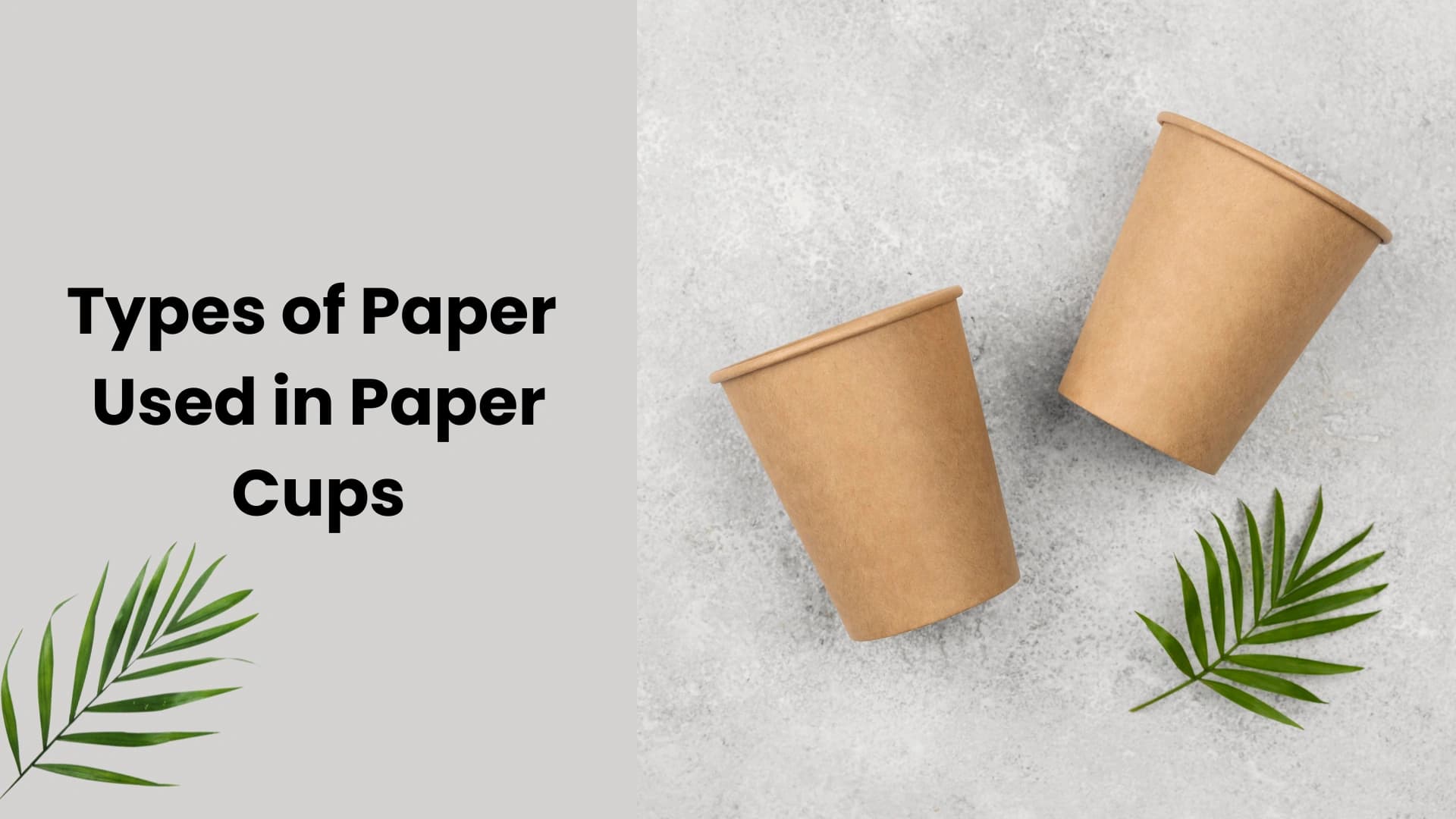
Types of Paper Used in Paper Cups
| Paper Type | Composition | Applications | Features | Cost |
|---|---|---|---|---|
| Solid Bleached Sulfate (SBS) | Virgin wood pulp, fully bleached | Premium paper cups | High strength, excellent printability, food-safe | High |
| Coated Unbleached Kraft (CUK) | Virgin kraft pulp, unbleached | Eco-friendly paper cups | Natural brown color, high durability, moisture-resistant | Moderate |
| Folding Boxboard (FBB) | Multi-layered with chemical and mechanical pulp | General-purpose cups | Lightweight, good stiffness, recyclable | Moderate to High |
| Recycled Paperboard | Post-consumer recycled fibers | Secondary uses, basic cups | Eco-friendly, cost-effective, slightly weaker | Low |

Global and Indian Manufacturers
- International Paper: A leading producer of fiber-based products, including cup stock paper.
- WestRock: Offers a range of paperboard products suitable for food and beverage packaging.
- Stora Enso: Provides renewable solutions in packaging, biomaterials, and wooden constructions.
- ITC Limited – Paperboards and Specialty Papers Division: A major player in the Indian market, offering a variety of paperboard products.
- JK Paper: Produces high-quality paper and packaging boards, catering to diverse industries.
Key Specifications for Paper Cup Raw Material
| Specification | Recommended Range | Importance |
|---|---|---|
| Caliper (Thickness) | 250–350 µm | Ensures rigidity, insulation, and structural integrity |
| Grammage (GSM) | 170–300 GSM | Balances durability and cost-effectiveness |
| Moisture Content | 5–7% | Prevents warping and ensures proper coating adhesion |
| Coating Weight | 10–20 GSM | Provides liquid resistance and heat tolerance |
| Stiffness | Above 400 mN for large cups | Maintains shape under load |
Pricing Overview
| Paper Type | Price Range (Global) | Price Range (India) | Remarks |
|---|---|---|---|
| Virgin SBS Paperboard | $1,000–$1,200 per metric ton | ₹70,000–₹85,000 per metric ton | High-quality, premium material |
| Recycled Paperboard | $800–$1,000 per metric ton | ₹55,000–₹70,000 per metric ton | Eco-friendly, suitable for budget products |
| Kraft Paperboard | $900–$1,100 per metric ton | ₹60,000–₹75,000 per metric ton | Durable, natural look |
| PLA-Coated Paperboard | $1,200–$1,400 per metric ton | ₹85,000–₹1,00,000 per metric ton | Biodegradable but higher cost |
Factors Influencing Pricing
Pricing in the paperboard industry is influenced by various internal and external factors. These determine how much manufacturers pay for their raw materials.
| Factor | Description | Impact on Pricing |
|---|---|---|
| Raw Material Costs | Pulp prices fluctuate based on global supply and demand | High |
| Coating Type | PE is cheaper; PLA or water-based coatings cost more | Medium to High |
| Certifications | FSC or food-grade certifications add production costs | Moderate |
| Market Trends | Demand for eco-friendly materials raises prices | High |
| Supply Chain Efficiency | Advanced logistics reduce transportation costs | Low to Medium |
Summary: Keeping track of these factors allows manufacturers to negotiate better prices and ensure cost efficiency.
Negotiation Techniques
Effective negotiation can lead to significant cost savings without compromising on quality. The table below highlights some proven strategies.
- Raw Material Availability: Virgin wood pulp prices fluctuate based on global supply and demand. Recycled paperboard may be cheaper but less durable.
- Coating Type: PE coatings are cost-effective, but PLA or water-based coatings increase production costs due to limited availability.
- Certification Costs: FSC or food-grade certifications may add to the cost but ensure quality and compliance.
- Production Efficiency: Manufacturers with advanced machinery can produce consistent quality at a lower cost.
- Market Trends: Global trends in sustainability and eco-friendly materials significantly affect pricing and sourcing options.
| Technique | How to Implement | Benefits |
|---|---|---|
| Bulk Purchasing | Commit to larger orders to qualify for volume discounts | Reduced per-unit cost |
| Long-Term Contracts | Sign agreements with stable pricing for regular supply | Price stability |
| Alternative Suppliers | Evaluate multiple suppliers to foster competitive pricing | Leverage better deals |
| Flexible Payment Terms | Offer upfront payments or staggered payments for discounts | Improved cash flow |
| Customization Requests | Tailor specifications to reduce unnecessary costs | Cost optimization |
Summary: Strategic sourcing and negotiation can provide competitive advantages in price and quality.
Negotiation Techniques
- Bulk Orders: Commit to larger quantities to negotiate volume discounts.
- Long-Term Contracts: Secure stable pricing by signing long-term agreements with suppliers.
- Alternative Suppliers: Evaluate multiple suppliers to create competitive bids.
- Customization Requests: Negotiate for tailored specifications to reduce waste and optimize material usage.
- Market Research: Stay updated on global and local market trends to anticipate price fluctuations.